

Introducing #HASH Concentrates: Elevate Your Dabbing Experience!
What Are #Hash Concentrates? An Informational Overview
#Hash concentrates represent a category of cannabis-derived products that concentrate the plant’s resinous trichomes
The glandular structures containing most of the cannabinoids and terpenes. Traditional hash has been produced for centuries through mechanical separation and compression of these trichomes.
In contemporary contexts, the term is often applied more broadly to a range of extracts that vary in texture, potency, and processing approach.
This overview examines definitions, historical context, common forms, composition, legal considerations, and public-health notes without addressing production techniques or commercial recommendations.
Definitions and Terminology
Hash traditionally refers to the collected and often compressed resin heads of the cannabis plant. Early forms were typically solventless, relying on physical agitation, screening, or pressing to isolate trichomes from plant material.
Modern usage sometimes expands “hash” to include refined concentrates that may involve solvents or advanced mechanical methods.
Related terms include hash oil (a viscous extract of varying refinement), wax (a soft, opaque concentrate texture), and broader “hash products” that encompass multiple physical forms of concentrated resin.
These products differ from dried cannabis flower primarily in concentration. By removing much of the non-resin plant matter, the resulting material contains higher levels of cannabinoids by weight.
Potency figures reported in regulated markets frequently exceed those of flower, though exact values depend on the specific product and testing. Full-spectrum extracts aim to retain a wider array of the plant’s original compounds rather than isolating a single cannabinoid such as THC or CBD.

HASH LIVE RESIN Sugar 1g Indica Dominant

HASH LIVE RESIN Sugar 1g Sativa Dominant

HASH LIVE RESIN Sugar 4g Indica Dominant
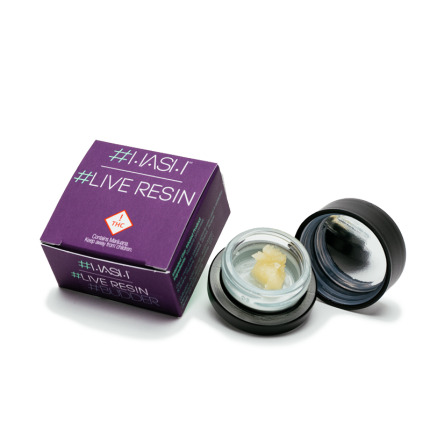
HASH LIVE RESIN Sugar 4g Sativa Dominant
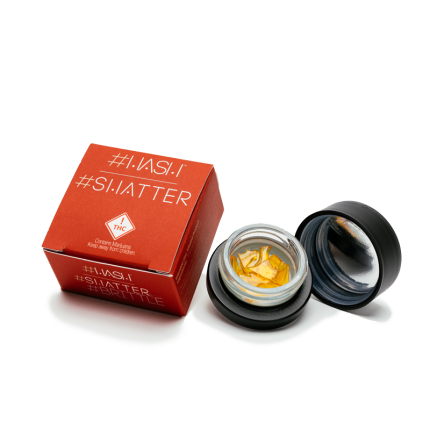
HASH SHATTER Brittle 1g Indica Dominant
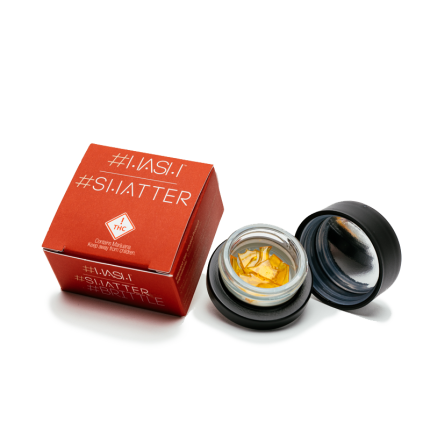
HASH SHATTER Brittle 1g Sativa Dominant

HASH SHATTER Pulln’Snap 1g Indica Dominant

HASH SHATTER Pulln’Snap 1g Sativa Dominant
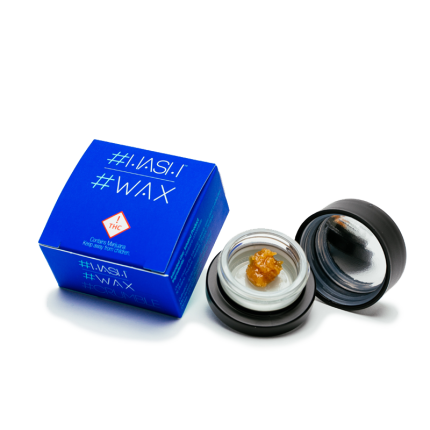
HASH WAX Crumble 1g Sativa Dominant
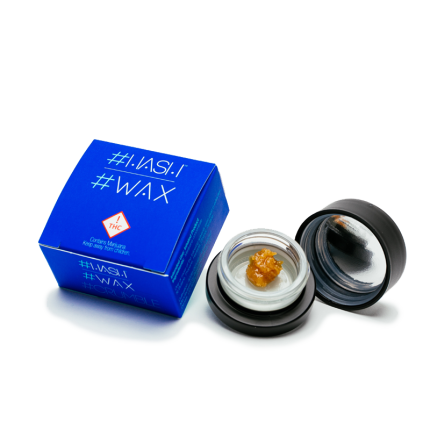
HASH WAX Sugar 1g Indica Dominant


